A complete definition of freestanding emergency rooms, how they differ from hospital EDs and urgent care centres, and how they operate under Texas DSHS licensing.
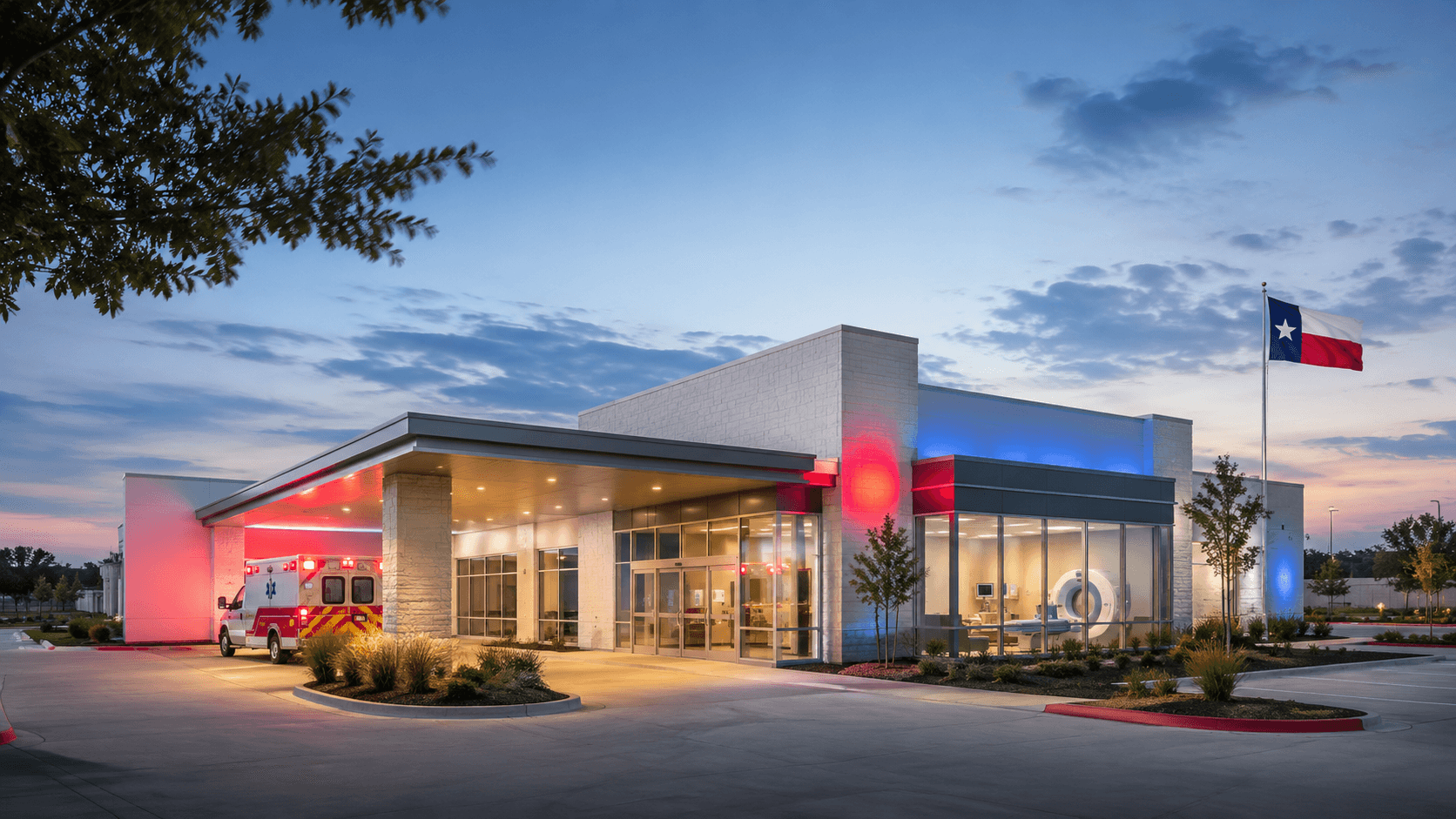
A freestanding emergency room (FSER) is a fully equipped emergency medical facility that operates independently from a hospital campus. It provides the same level of emergency care as a hospital-based emergency department — including imaging, laboratory diagnostics, and patient stabilisation — in a community-accessible location, without requiring affiliation with a licensed hospital.
Freestanding emergency rooms have grown significantly as a healthcare delivery model, particularly in the southern United States. Texas has become the most active freestanding ER market in the country, driven by population growth, suburban expansion, and a regulatory framework that permits independent ownership and operation of emergency facilities.
For healthcare operators and investors, understanding exactly what a freestanding ER is — and how it differs from a hospital emergency department or an urgent care centre — is foundational to evaluating growth and investment opportunities in the sector.
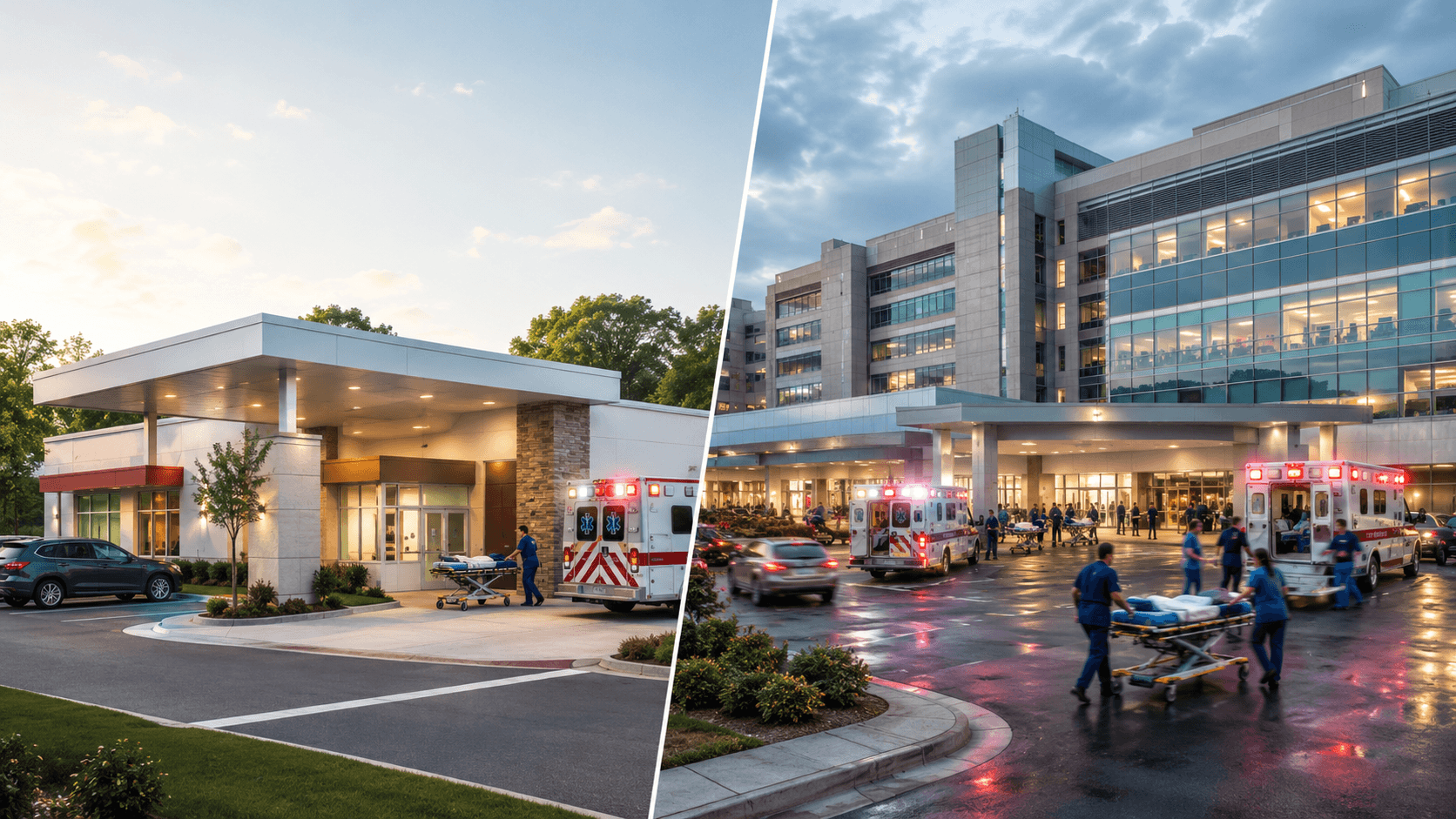
A hospital emergency department (ED) is physically attached to — or part of — a licensed acute care hospital. It benefits from immediate access to inpatient wards, specialist consultants, surgical suites, and intensive care units within the same facility.
A freestanding emergency room provides equivalent emergency-level diagnostics and stabilisation, but operates as a standalone facility. For conditions requiring inpatient admission, patients are transferred to a partner or nearby hospital.
Key practical differences include:
For a detailed side-by-side comparison, see our guide: Freestanding ER vs Hospital Emergency Department — What's the Difference?
Urgent care centres are designed to treat minor, non-emergency conditions — sprains, minor infections, and routine illnesses — that do not require a hospital visit but cannot wait for a GP appointment. They are not licensed to provide emergency care, are typically not staffed by emergency physicians, and do not carry the diagnostic equipment required to manage life-threatening presentations.
A freestanding ER, by contrast, is licensed and equipped for true emergencies: chest pain, stroke symptoms, serious trauma, respiratory distress, and severe paediatric presentations. The two facility types occupy entirely different regulatory and clinical categories.
The most common source of patient confusion in Texas is the visual similarity between some freestanding ERs and urgent care centres. Both may appear in retail strip centres or suburban developments. The critical difference is regulatory: only a licensed SLER can legally receive and treat true emergency patients.
In Texas, freestanding emergency rooms are licensed by the Texas Department of State Health Services (DSHS) as Standalone Licensed Emergency Rooms (SLERs). This licence category was established to create a regulatory framework for independent emergency facilities that are not affiliated with a licensed hospital.
Key features of the Texas SLER framework include:
This independent ownership provision has made Texas highly attractive to healthcare investors and entrepreneurial ER operators. It is one of the primary reasons the state has the highest concentration of independently operated freestanding ERs in the country.
The Texas freestanding ER market includes several distinct operator profiles:
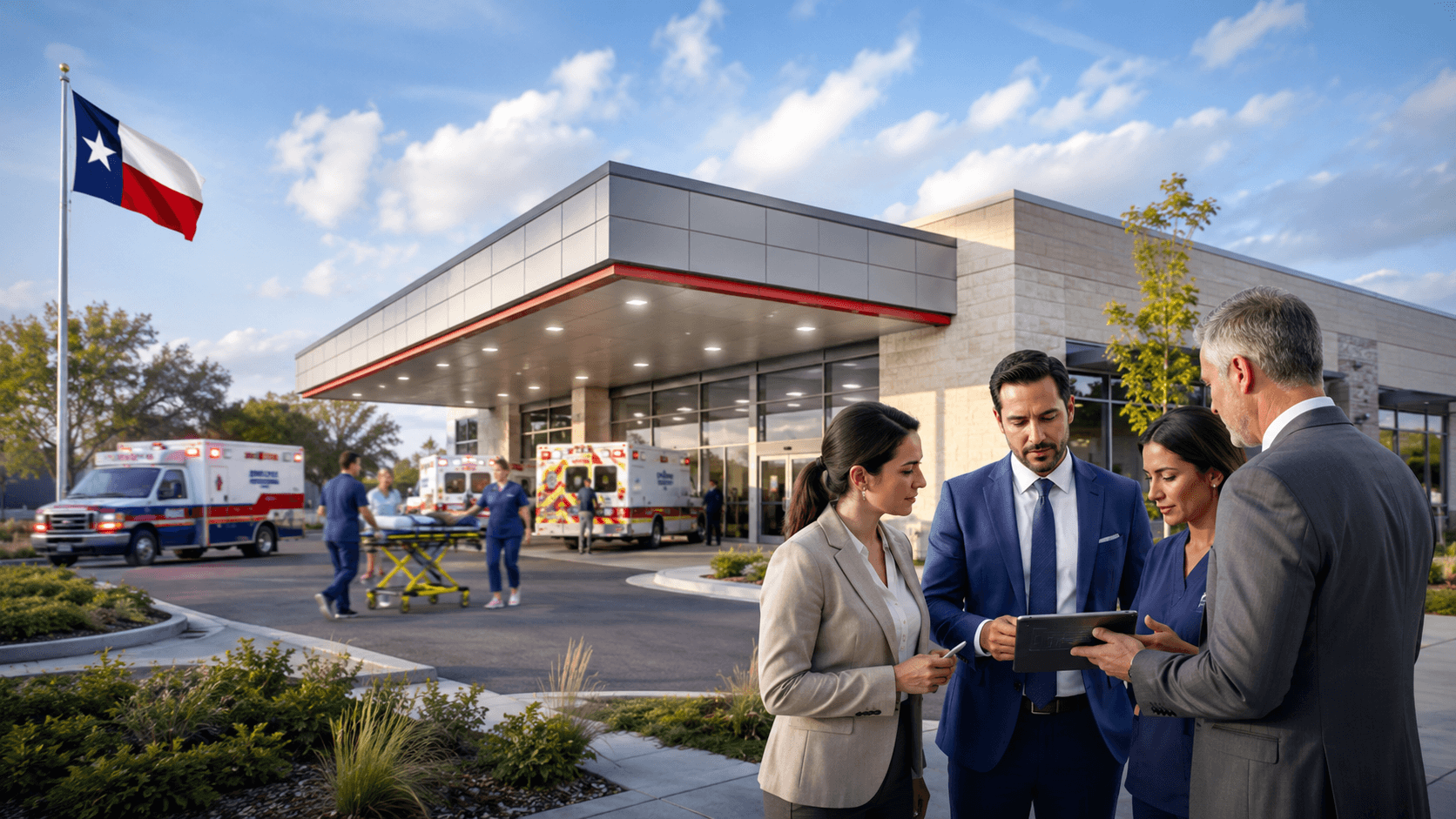
Focus works primarily with independent owner-operators and growing multi-site networks who need coordinated support across operations, finance, data, and marketing to drive sustainable, scalable growth. Learn more about how Focus supports freestanding ER growth in Texas.
Editorial note: This content is produced and reviewed by healthcare business specialists at Focus. It is intended for informational purposes and does not constitute legal, medical, or financial advice.
About the Author
Jay DahalFounder & President, Focus
A member of the Focus leadership team specialising in freestanding ER growth, strategy, and healthcare business development in Texas.
Speak with the Focus team about ER growth, investment readiness, and healthcare business support in Texas.